Understanding The Importance Of Fiber Intake In Your Diet
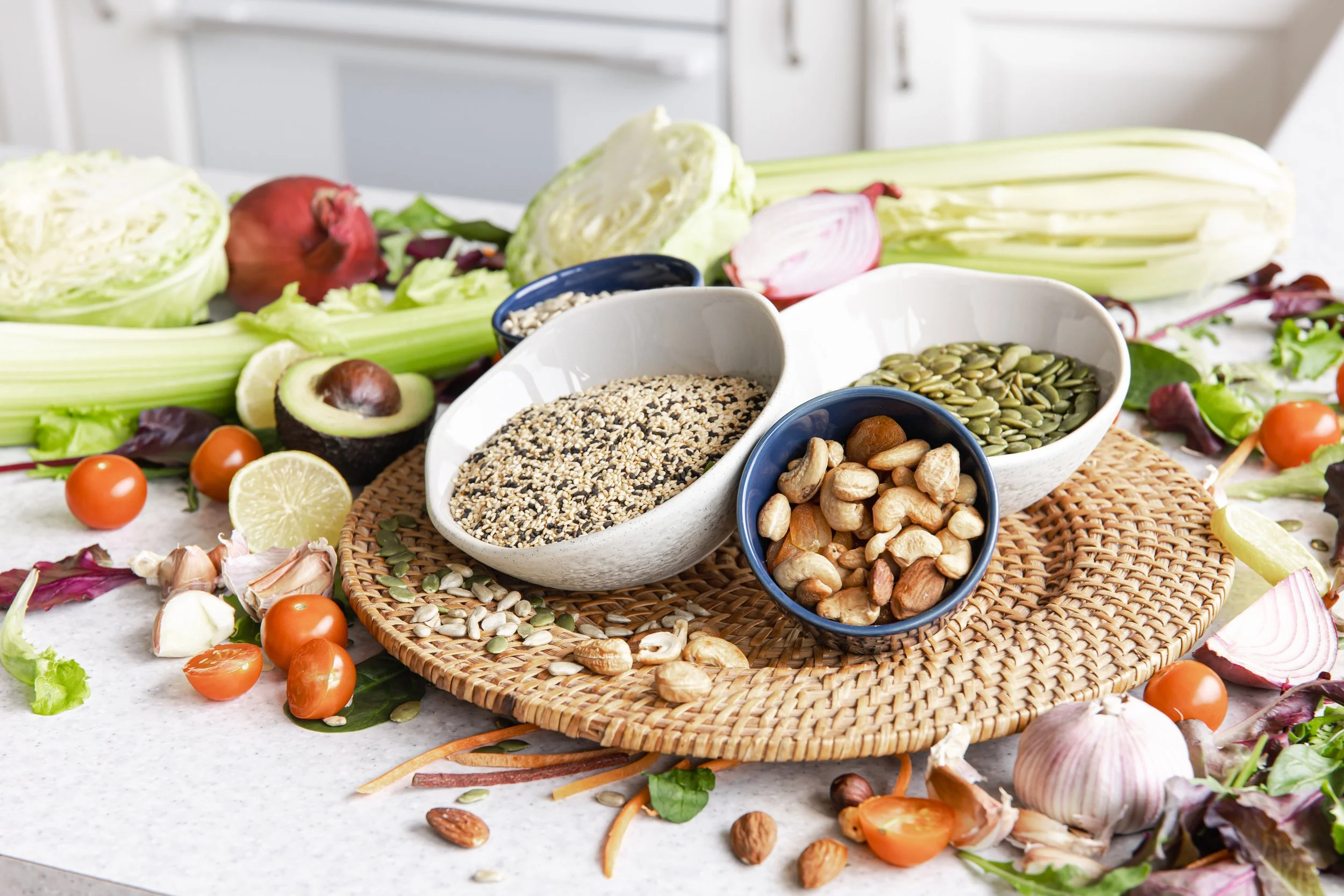
The big question, how much fiber do you need a day?
The National Academies recommends that women and men get at least 21-28 grams and 30-38 grams of daily dietary fiber, respectively. And that requires eating a decent amount of high-fiber plant foods a day. For example:
1 avocado: 13.5 grams
1 medium apple: 4.4 grams
1 cup berries: 4-8 grams
1 cup broccoli: 5 grams
1 Sweet potato: 6 grams
2 tablespoons chia seeds: 9 grams
That said, this is just an estimate, and everybody is different; some digestive tracts require more fiber than others. Most people (95% of Americans actually) are falling pretty short on their fiber intake to begin with—so it's something to be especially cognizant of, especially if you have a high protein intake.
Eating enough fiber can help to reduce the body's blood sugar response to certain foods, increase mineral absorption, and improve feelings of satiety.
Plus, "fiber aids in the reduction of total and LDL cholesterol by binding to cholesterol in the gastrointestinal tract and moving it out of circulation. These actions reduce the risk of developing cardiovascular disease and type 2 diabetes.
It also helps your digestion run smoothly. Eating fiber can also help promote bowel regularity and support a healthy weight. It may even reduce the risk of certain cancers, according to clinical research.
While fiber is generally beneficial for health, eating too much can lead to digestive discomfort and other issues. Symptoms of excessive fiber intake can include bloating, gas, abdominal pain, constipation, and even nausea. In rare cases, it could also lead to more serious problems like intestinal blockages.
Making sure you are drinking enough water is very important too. And here we come back to basics; Eat balanced meals and stay hydrated.
How do I know if I’m eating enough fiber? A good indicator that you're eating enough fiber is regular, healthy bowel movements. Aim for at least one bowel movement per day, with stools that are soft, formed, and easily passed. If you experience constipation, diarrhea, or frequent hunger, it could indicate you need to increase your fiber intake. Other potential could be high cholesterol, difficulty losing weight or unstable blood sugar.
The reason why I share this is because there are so much out there inviting us to take a bunch of vitamins, minerals, fiber, and it is wonderful to know we can have the knowledge and support of supplements to the reach of our fingertips. However, we need to understand the best way to maintain us balanced and healthy would always be by getting all this goodness through food. If you create your habits around eating the right amounts of what you need, you should not need to take anything extra to enhance it. Listen to your body, observe reactions to foods, understand your fullness after eating, staying hydrated, and more. Please always consult with your doctor before deciding to take any supplements, sometimes we need them and other times we don’t.
The best thing you could do to make sure you are taking the right amount of macronutrients, is by creating weekly sample menus you could rotate every week. This way you would start creating the habit of what to eat and do it healthy, and then go from there.
Tuning into your digestion isn't about counting every gram of fiber on a label; it’s about learning to read the quiet daily signals your body is constantly sending you. Before you plan your next meal, take a moment to look at your plate and ask yourself: Am I relying on a pill to do the work, or am I choosing the real, whole foods my body is actually asking for?
Wellness to your health,
Virginia