Roasted Vegetables Skillet
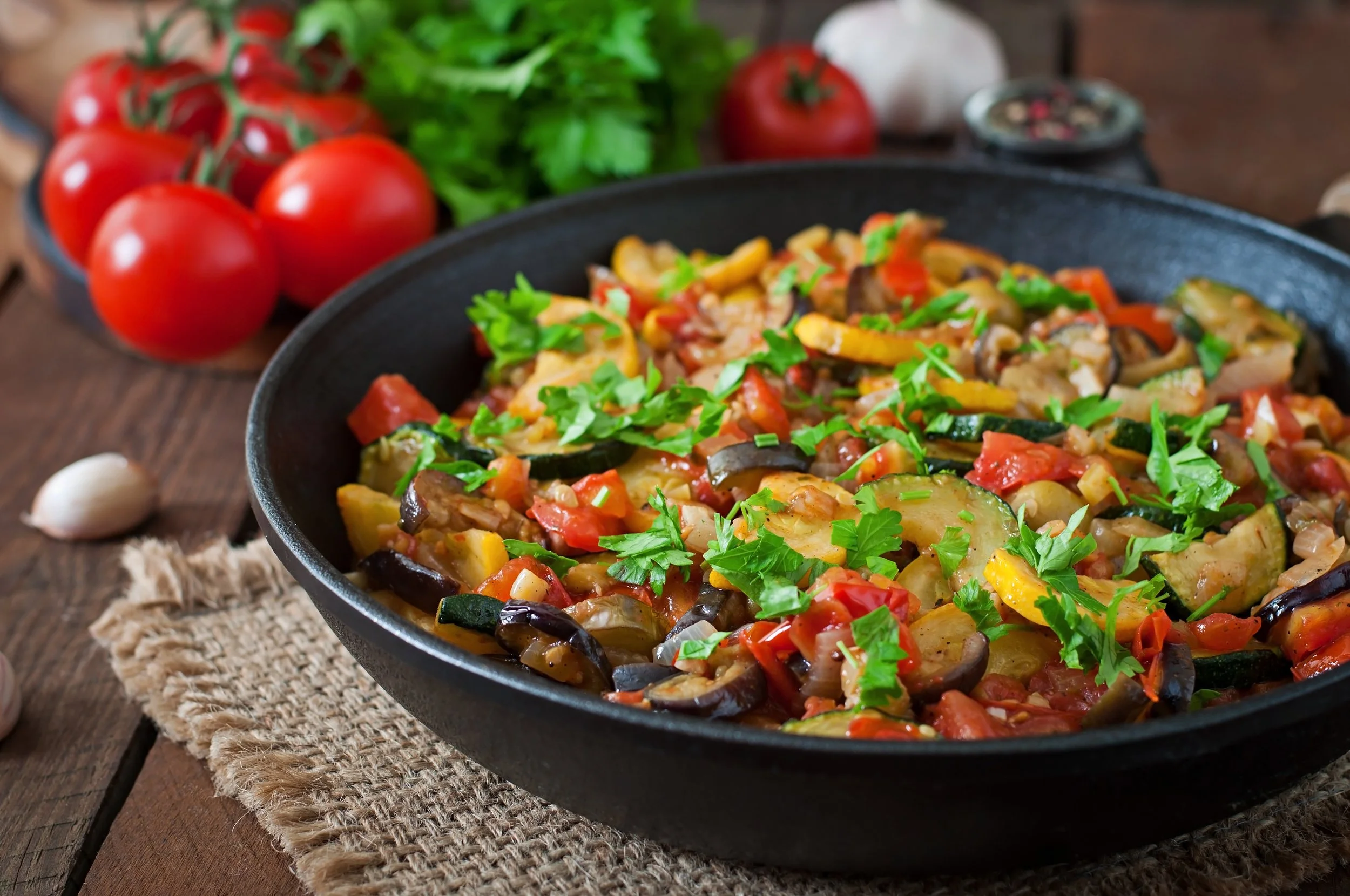
A classic. A convenient way of prepping vegetables for the week and make sure you get your healthy servings everyday.
Serving size: n/a
CHOOSE YOUR VEGETABLES
Almost any vegetable can be roasted. Popular options include:
Root vegetables: Sweet potatoes, carrots, parsnips, beets, potatoes.
Cruciferous vegetables: Broccoli, Brussels sprouts, cauliflower.
Other favorites: Onions, peppers, zucchini, summer squash, mushrooms, asparagus, green beans, tomatoes.
Now you can choose, mix and match your favorites.
Approx. Timing
Prep Time: 15 minutes
Cook Time: 20/30 minutes
Total Time: 35/45 minutes
Oven Temperature: 425°F
Instructions
1. Wash and chop vegetables into uniform, bite-sized pieces for even cooking.
2. Denser vegetables like potatoes and carrots can be cut into slightly smaller pieces.
3. Season the chopped vegetables with olive oil, salt, and pepper or you can have fun and add other seasonings like herbs (rosemary, thyme, oregano, paprika, red pepper flakes)
4. I like to add mince garlic and squeeze a lemon for a more mediterranean flavor.
5. Mix it all very well and ready to be placed in the oven or a skillet!
6. In a skillet: Heat a heavy skillet (cast iron works best) over medium heat. stirring occasionally, until tender and browned.
In the oven: Roast at 425°F for 30-40 minutes, stirring halfway through. Denser vegetables will take longer. If using a baking sheet, line it with foil or parchment paper for easier cleanup.
Avoid overcrowding: Spread the vegetables in a single layer to ensure they roast rather than steam.
There is no a particular recipe for a roasted vegetable skillet, and the fun part is that you can try and experiment with any of your more preferred vegetables. This prep offers a delicious and healthy way to prepare various vegetables, whether for a quick weeknight meal or a flavorful side dish.
Interesting facts about roasting vegetables
Roasting and baking are methods that cook foods by circulating hot air. Both are often used interchangeably, but I associate roasting with a higher temperature than baking.
Baking occurs between 325°F and 375°F. Think of recipes for banana bread, muffins, cakes, and cookies that rely on these temperatures to give them a chance to rise, cook through, and develop flavor.
Roasting, on the other hand, occurs between 400°F and up to 475°F. A higher temperature cooks the food more quickly, giving it a crispy and golden exterior while the inside stays tender, not overcooked.
Can you bake vegetables at a lower temperature? Of course, you can! A lower temperature, say 350°F to 375°F, means a longer cooking time which will result in soft, over-cooked vegetables that never get the chance to caramelize or get crispy. If you don’t care about these things, then a lower temperature will suit you just fine.
What about roasting vegetables at a higher temperature? Again, yes it's OK! However, higher temperatures will increase the chances of burning, especially with more delicate foods like broccoli florets and asparagus. You’ll need to keep an eye on them as they roast. A higher temperature will also cook the outside faster, so firmer vegetables like winter squash may end up burned before cooking all the way through.
Some Ingredients’ Goodness
Brussel Sprouts, Broccoli and Cauliflower : Highly nutritious, packed with vitamins C and K, fiber, and antioxidants, which can help boost your immune system, support heart health plus they are low in calories.
Considerations for consumption
Some people may experience digestive side effects from eating cruciferous vegetables, especially raw. The best way to know if you can tolerate is by eating them in moderation and taking note of any digestive side effects like bloating and gas.
Broccoli is a healthy choice for most people, but some may need to limit or avoid it. Broccoli may affect blood-thinning medications, thyroid health, and an allergic reaction to broccoli is rare but possible.
Carrots: An excellent source of beta-carotene, which is converted into vitamin A in the body. Vitamin A plays a crucial role in maintaining eye health and helps maintain healthy skin by reducing inflammation and promoting collagen production. They are a good source of vitamin C, which supports wound healing and immune function. They also contain calcium and vitamin K, which are essential for bone health.
Carrots contain antioxidants, such as lutein and lycopene, which help boost the immune system and protect against inflammation. The fiber, potassium, and antioxidants in carrots contribute to maintaining a healthy heart by lowering blood pressure and cholesterol levels.
They have a low glycemic index, meaning they do not cause a rapid spike in blood sugar levels. This makes them beneficial for people with diabetes or prediabetes. They are also low in calories and fat, making them a filling and healthy food choice for weight management.
Sweet Potatoes: Known to improve digestion, enhance immune function, and are rich in vitamins, minerals, and antioxidants. They also support eye health and help regulate blood sugar levels.
Tomatoes: An excellent source of lycopene, a powerful antioxidant that protects cells from damage caused by free radicals. They are also a good source of vitamin C, an essential nutrient for a strong immune system. Tomatoes are a good source of fiber, which aids in digestion and promotes gut health.
Consideration for consumption
When eating tomatoes, consider potential acid reflux symptoms, as their acidity can trigger heartburn in sensitive individuals. Other factors include washing raw tomatoes to remove pesticides and being aware of potential digestive issues like bloating from fructose and lectins. If you have a nightshade sensitivity or take certain medications, like blood thinners, speak with a doctor about potential effects.
Mushrooms: Loaded with many health-boosting vitamins, minerals, and antioxidants, they’ve long been recognized as an important part of any diet. Mushrooms exposed to ultraviolet light are a good source of vitamin D, an important component for bone and immune health.
Beets: Offer several health benefits, including lowering blood pressure, improving athletic performance, and providing anti-inflammatory properties. They are rich in essential nutrients like folate, potassium, and antioxidants, which support heart health and boost the immune system.
Peppers: Especially bell peppers, are low in calories and high in essential nutrients like vitamins A and C, potassium, and fiber.
Onions: They contain quercetin, a potent antioxidant that combats oxidative stress and reduces inflammation. Prebiotics in yellow onions promote the growth of beneficial gut bacteria, improving digestion and boosting immunity. They are a good source of vitamins (C, B6, folate), minerals (potassium, manganese), and antioxidants. They contain Chromium which helps regulate blood sugar levels.