Listening to Your Second Brain: Why Nutrition is Life
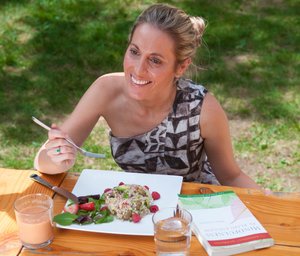
The other morning, I was driving to work, listening to an episode of Dr. Mario Alonso Puig’s podcast, Nutrition is Life. I absolutely love his work—his episodes are always so educational and eye-opening. For me, listening to him in Spanish also brings a beautiful sense of comfort, allowing me to stay deeply connected to my roots. If you’ve ever heard him speak, you know he has this incredibly warm, reassuring presence. As a former digestive surgeon who transitioned into mind-body medicine, he has a rare gift for explaining complex science in a way that feels like a cozy, supportive heart-to-heart conversation.
During the episode, it really hit me how much we segment ourselves. For decades, we’ve treated our minds and our bodies as if they operate in completely separate compartments. We think of nutrition purely in terms of calories, weight, and physical energy, but the connection between what we eat and how we feel is far more profound. Your gut isn’t just processing food—it is conversing with your brain every single second of the day.
Let’s dive into why nurturing your digestive health is one of the most compassionate acts of self-care you can practice.
The Second Brain in Your Belly
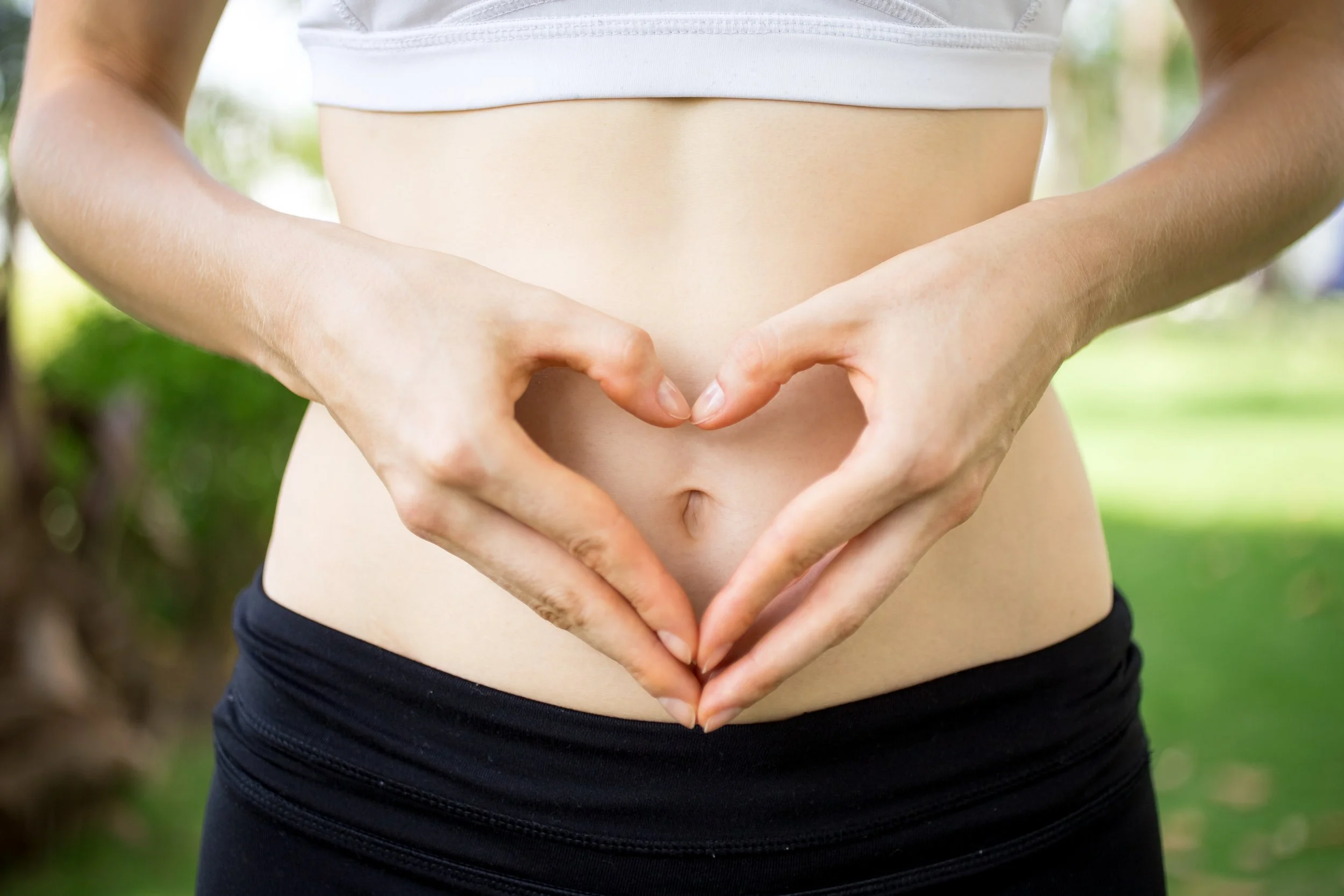
It sounds like science fiction, but it is medical reality: your digestive system contains a massive network of neurons so complex that scientists refer to it as the enteric nervous system, or the "second brain."
This second brain doesn't write poetry or solve math equations, but it heavily influences your emotional climate. In fact, a massive percentage of your immune system lives right against your intestinal wall, and the vast majority of your body's serotonin—the neurotransmitter responsible for feelings of happiness and emotional stability—is produced in your gut.
When your digestive tract is inflamed or poorly nourished, it sends distress signals upstairs. That unexplainable midday anxiety or sudden cloud of sadness? It might not be a flaw in your thinking; it could be a cry for help from your microbiota.
Feeding Your Microbiota (And Your Mind)
Your gut is home to trillions of friendly bacteria that make up your microbiota. Think of them as a microscopic internal garden. When you feed this garden well, it rewards you with mental clarity, robust immunity, and emotional resilience. When you neglect it, the "leaky gut" phenomenon can trigger low-grade chronic inflammation, which directly alters your mood and energy.
To cultivate a thriving internal ecosystem, soothe that inflammatory fire, and truly protect our mental well-being, we can weave a few simple, daily habits into our routines:
Embrace the Power of Fiber (Our Microbes' Favorite Prebiotic): Fiber is the ultimate plant food for your good bacteria. Instead of looking at it as just something that "keeps things moving," I've started viewing it as a direct investment in my mental clarity.
My go-to choices: Artichokes, leeks, onions, garlic, oats, and asparagus. These are packed with inulin, a specific fiber that your gut microbes’ ferment into compounds that directly soothe brain inflammation.
Load Up on Vibrant Green Vegetables: Greens are packed with polyphenols and magnesium, acting like natural armor for your gut lining while calming an overactive, stressed-out nervous system.
My go-to choices: Spinach, kale, broccoli, Brussels sprouts, and Swiss chard. A quick tip from my own kitchen: Lightly steaming or sautéing these greens makes them incredibly gentle on a sensitive, recovering digestive tract.
Prioritize Anti-Inflammatory, High-Quality Proteins: High-quality protein provides the vital amino acids (like L-glutamine and tryptophan) needed to physically repair a damaged gut lining and synthesize that crucial, mood-boosting serotonin.
My go-to choices: Wild-caught salmon, mackerel, and sardines (which double as massive anti-inflammatory Omega-3 powerhouses). For plant-based days, I love leaning on lentils, chickpeas, and organic fermented tempeh.
Cool the Fire with Healthy Fats: Inflammation is like a quiet fire in the tissues. Healthy fats act as the ultimate coolant, keeping the intestinal barrier supple, flexible, and strong. Always in small amounts and moderation.
My go-to choices: Extra virgin olive oil (the absolute king of anti-inflammatory fats), Ghee, rich avocados, walnuts, chia seeds, and flaxseeds.
Introduce Fermented Foods: Natural probiotics act like a fresh delivery of friendly workers to actively replenish your bacterial workforce.
My go-to choices: Adding a splash of unsweetened kefir to a morning smoothie, or enjoying a side of Greek yogurt, sauerkraut, kombucha, and kimchi.
Watch the Inflammatory Foods: While loading up on the good stuff, I try to remain mindful of excessive sugar, ultra-processed saturated fats, and alcohol. These elements act like weedkiller in your beautiful internal garden. Avoid them as much as possible, and eliminate as much as you can.
My takeaway is that true nutrition isn’t about rigid restriction, boring diets, or punishing your body; it’s about deep self-respect. When you eat whole, alive foods—and couple them with moments of deep breathing to lower your stress—you aren’t just feeding your stomach. You are nurturing your thoughts, your resilience, and your peace of mind. Chronic stress releases cortisol, which physically alters your gut barrier and disrupts your microbiota.
Taking care of yourself requires a beautiful balance of both worlds. Eating mindfully, incorporating moments of silence or meditation to calm the nervous system, and choosing whole, alive foods are small, daily pivots that yield extraordinary transformations.
Remember, you aren't just eating to fuel a machine. You are eating to nurture your life, your emotions, and your peace of mind. Listen to your gut—it has a lot to tell you. Next time you sit down to a meal, take a slow breath, thank your body, and remember you are tending to your inner garden.
Before you pick up your fork today, can you step away from your screens, take one deep breath, and let your meal be a peaceful sanctuary where you actively lower your cortisol and feed both your physical body and your emotional well-being?
Wellness to your health,
Virginia
Resources:
Dr. Mario Alonso Puig Official Website & Updates:Mario Alonso Puig Official
National Center for Biotechnology Information (NCBI): The Gut-Brain Axis: Influence of Microbiota on Mood and Mental Health
Frontiers in Endocrinology: Crosstalk Between Intestinal Serotonergic System and the Microbiota–Gut–Brain Axis
Stanford Medicine Insights: The Gut-Brain Connection: What the Science Says
Healthline Medical Network: The Gut-Brain Connection: How it Works and The Role of Nutrition