White Bean Salad
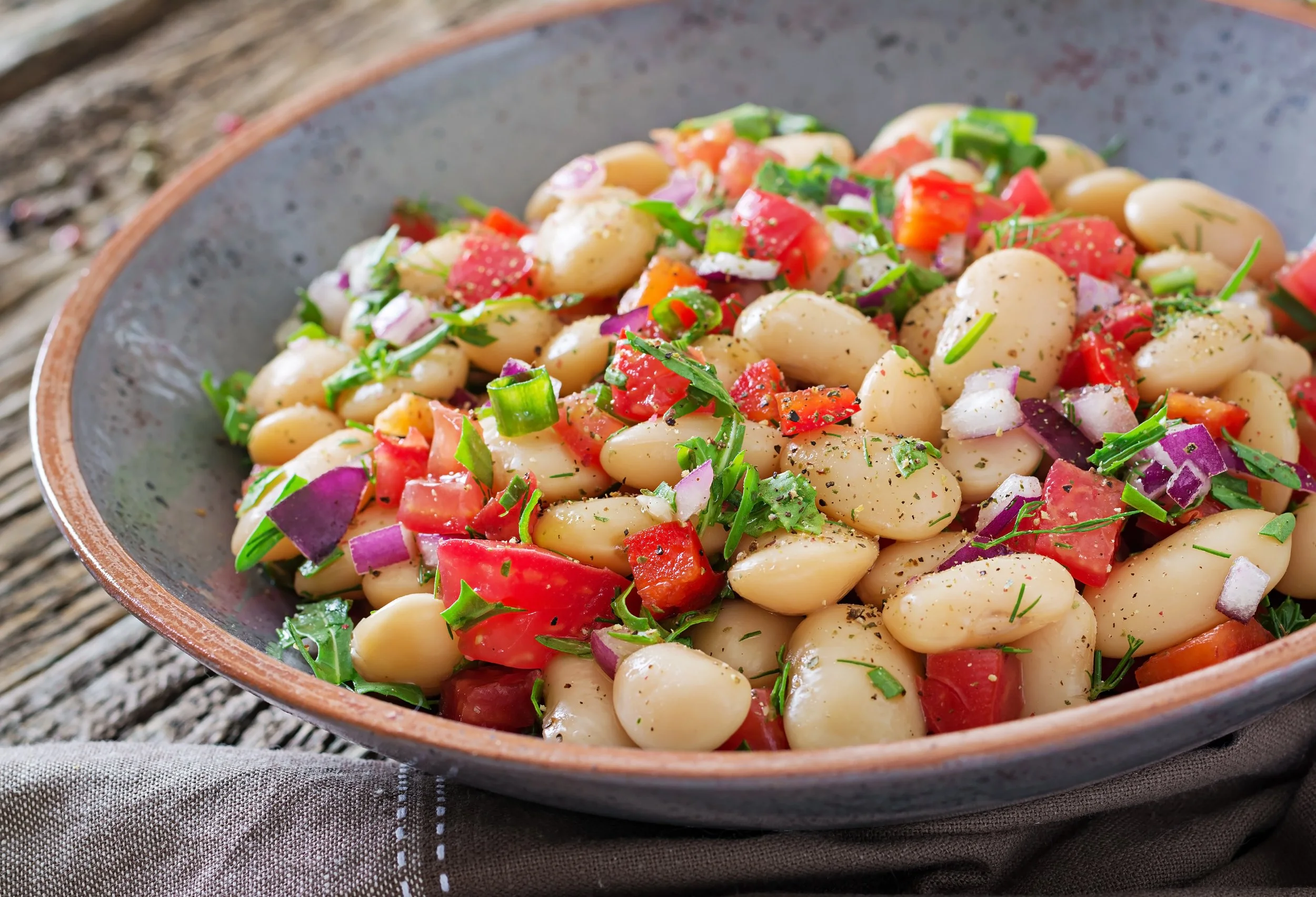
A Mediterranean classic, featuring white bean loaded with bright flavors from chopped veggies, and fresh herbs tossed together in one big bowl.
Serving
4
Ingredients
2 cans of cannellini beans
3 cucumbers
2 peppers ( red and yellow)
Cherry or grape tomatoes
1 bundle of scallions
1 cup of fresh parsley
Salt and pepper to taste
Olive oil and lemon for dressing
Approx. Timing
Prep Time: 15minutes
Cooking Time: n/a
Total Time: 15 minutes
Instructions
Put the 2 cans of beans in a big bowl.
Chop and add any vegetables you have choose.
Add any spices chosen.
Add the chopped parsley
Marinate with virgin olive oil and lemon.
Tips and Variations
I like crunchy vegetables, so sometimes I add carrots, and lightly steamed broccoli or cauliflower. I also I love raw fennel in salads, has a mild anise flavor and adds a nice crunch to this cannellini bean salad. If you are going to leave leftovers, I would do the dressing only on the servings you are eating for that day to avoid vegetables going saggy. Other spices you can use instead are cumin, oregano or red pepper flakes. If you want an extra zing on your dressing add a splash of apple cider vinegar.
A sprinkle of salty, creamy feta on top takes things over the edge with a that salty flavor with its content in calcium, prebiotics and
Cannellini beans are big Italian white beans that make this salad hearty and filling. They are also labeled as white kidney beans. You are welcome to use instead great northern beans or butter beans.
Ingredients’ Goodness
Cannelli Beans: Protein-rich. Packed with important nutrients including folate, vitamin B1 (thiamin), potassium, magnesium, and iron.
Considerations for consumption
The main drawback of legume consumption is the potential for digestive discomfort, such as gas, bloating, and cramping, the key is balance and have it moderately, specially if you are not used to consume them.
Carrots: An excellent source of beta-carotene, which is converted into vitamin A in the body. Vitamin A plays a crucial role in maintaining eye health and helps maintain healthy skin by reducing inflammation and promoting collagen production. They are a good source of vitamin C, which supports wound healing and immune function. They also contain calcium and vitamin K, which are essential for bone health.
Carrots contain antioxidants, such as lutein and lycopene, which help boost the immune system and protect against inflammation. The fiber, potassium, and antioxidants in carrots contribute to maintaining a healthy heart by lowering blood pressure and cholesterol levels.
They have a low glycemic index, meaning they do not cause a rapid spike in blood sugar levels. This makes them beneficial for people with diabetes or prediabetes. They are also low in calories and fat, making them a filling and healthy food choice for weight management.
Sweet Potatoes: Known to improve digestion, enhance immune function, and are rich in vitamins, minerals, and antioxidants. They also support eye health and help regulate blood sugar levels.
Celery: It is low in calories and high in water content and it provides essential nutrients like vitamin K, potassium, and antioxidants, which can support heart health and digestion.
Chicken bone broth: It is rich in collagen, protein, and essential minerals, which can support joint health, improve gut function, and aid in muscle recovery.
Chickpeas: also known as garbanzo beans, are a nutritious and versatile legume. They are a good source of protein, fiber, vitamins, and minerals like magnesium, potassium, calcium, iron and folate.
Parsley: An excellent source of vitamins A, C, and K, as well as minerals like calcium, iron, and magnesium.
Scallions: Scallions are usually eaten in small amounts, so they're not going to boost your nutrition significantly. However, they do have some notable health benefits if you eat them regularly. A cup of cut scallions has about 10% of the fiber you need for the whole day.
Fill you with fiber. A cup of cut scallions has about 10% of the fiber you need for the whole day. Extracts of onions, garlic, and their relatives have long been used as medicine. They can kill bacteria, fungi, and viruses. Vegetables in the onion group are packed with phytonutrients, including antioxidants that defend your cells against damage. They are a good source of vitamin C and a flavonoid called quercetin. Both can strengthen your immune system an help it fight illnesses.
Cucumber: Is a nutritious fruit with a high water content. Eating cucumber may help lower blood sugar, prevent constipation, and support weight loss. To maximize cucumber’s health benefits, eat the peel too.
Peppers: Excellent source of vitamins A, C, and B6. Rich in antioxidants, including lutein and zeaxanthin. Provides potassium, magnesium, and fiber.