Roasted Chicken With A Side Of Farro And Vegetables
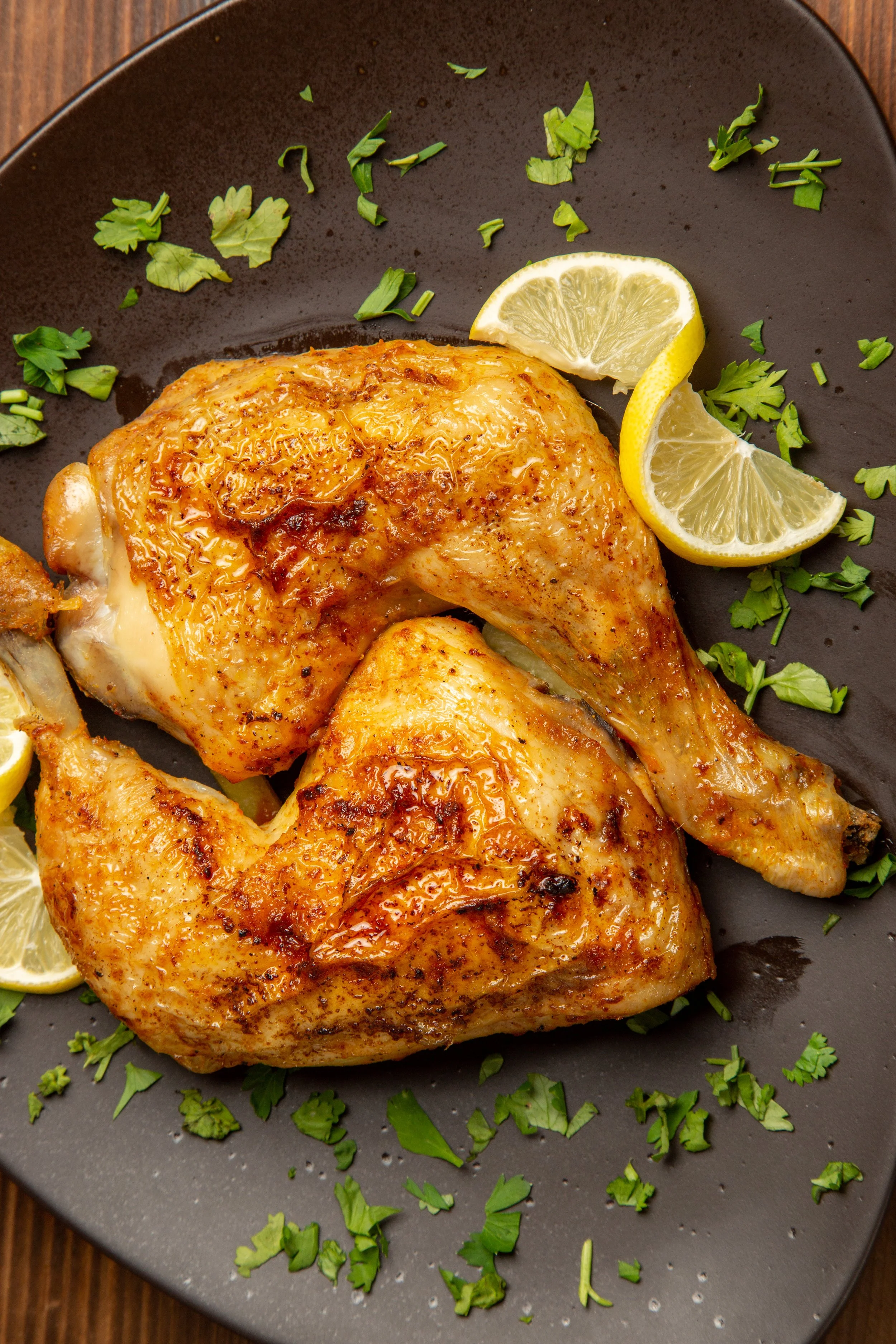
Roasted Chicken with Farro and Vegetables is a hearty comfort meal you can enjoy any time of year. Tender, oven‑roasted chicken paired with nutty farro and seasonal vegetables creates a satisfying dish that’s both nourishing and flavorful. Made with wholesome, high‑quality ingredients, this recipe delivers a balanced mix of protein, fiber, vitamins, and minerals—perfect for a cozy family dinner or a simple yet impressive meal to share.
Serving
4
Ingredients
1 chicken or 4 full chicken legs
4 tbs olive oil, butter or Ghee
Salt and pepper
3 garlic cloves, minced
3 cups of chicken bone broth
2 medium carrots
1 sweet potato
1 pack of Brussels sprouts
1 cup of farro
Parsley
Approx. Timing
Prep Time: 20 minutes
Cook Time: 40 minutes
Total Time: 1 hour
Instructions
Preheat oven to 425 degrees F. Set out a large rimmed baking sheet.
Set chicken legs on the baking sheet and coat it with the olive oil, lemon mince garlic, salt and pepper. Add 1 cup of chicken broth and roast for 40 minutes.
Cut diced evenly all the vegetables and place them on another baking sheet, without crowding it (this allows the hot air to circulate and crisp the vegetables better) Coat the baking sheet with a little bit of Ghee, butter or olive oil to prevent the vegetables from sticking. Season at taste.
Place the vegetables baking sheet in the oven for 20 minutes. If you have space you can slide it next to the chicken half way through the cooking time of 40 minutes.
While vegetables roast, cook the farro. Set a large saucepan over medium-high heat. Add 2 tablespoons of Ghee, butter or olive oil and add the dry farro ( wash the farro with cold water before you place it in the pan) Stirring often, toast 2 minutes or until farro has darkened a shade or two and smells nutty and fragrant. Add the 2 cups of chicken broth and bring to a boil. Turn heat down to a lively simmer and cook until farro is al dente, 20 - 25 minutes.
To serve, spoon farro onto a large platter, arrange vegetables alongside and the chicken legs.
If you like, sprinkle some fresh parsley as a final touch.
Tips and Variations
Sometimes I like to add a squeeze lemon and seasoning of garlic and smoke paprika on the vegetables too. If you want to add other vegetables don’t be shy! Broccoli or green beens are a nice addition too, but I would steam it for 3 minutes instead of roasting. You can substitute the chicken for your favorite fish.
Ingredients’ Goodness
Olive oil: Contains monounsaturated fats, Omega 6, which help lower LDL (bad) cholesterol and raise HDL (good) cholesterol. This reduces the risk of heart disease. It is rich in antioxidants, including polyphenols and vitamin E. These antioxidants combat oxidative stress and inflammation, protecting cells from damage.
Considerations for consumption
The recommended daily intake of olive oil is up to 1 tablespoon for adults.
Choose extra virgin olive oil for the most health benefits.
Use olive oil in moderation as it is high in calories.
Ghee: I personally have become a fan of cooking with Ghee over butter or oils, when possible. Ghee is essentially butter that has gone through a "glow-up." By simmering butter and removing the water and milk solids, you're left with pure fat that behaves very differently in the pan due to its high heat stability (The Smoke Point). If you are sensitive to dairy, ghee is often a "safe" way to get that buttery flavor because it is lactose & casein-Free. The clarification process removes almost all the lactose (milk sugar) and casein (milk protein). While not strictly "vegan," it is generally tolerated by those with lactose intolerance. Ghee also contains butyric acid, a short-chain fatty acid that helps support the health of your gut lining and reduces inflammation in the digestive tract.
Unlike many highly processed vegetable oils (like canola or soybean oil), ghee is a "whole" fat that retains its natural nutrients. Fat-Soluble Vitamins: It’s rich in vitamins A, D, E, and K. CLA (Conjugated Linoleic Acid): Especially if it's grass-fed, ghee contains CLA, which some studies suggest can help reduce body fat and protect heart health. Stability: Unlike many seed oils rich in polyunsaturated fats, ghee is mostly saturated fat, meaning it is much less likely to oxidize (turn rancid) when exposed to heat and light.
Garlic: Enhances heart health, stronger immunity, and anti-inflammatory effects. To maximize these benefits, it is generally recommended to consume garlic raw, since heat can reduce the potency of allicin.
Raw garlic provides the most health benefits, as it contains higher concentrations of allicin, the compound that gives garlic its antimicrobial and immune-boosting properties. To maximize benefits when cooking, crush or chop garlic and let it sit for about 10 minutes before adding it to your recipe. This allows the allicin to form. Also, add garlic toward the end of the cooking process to avoid excessive heat, which can destroy the allicin.
Chicken: filled with high-quality proteins and doesn’t contain much fat. Beyond its rich protein content, chicken also contains B12, iron and zinc.
Choosing organic chicken is a personal choice based on potential benefits like avoiding antibiotics and synthetic pesticides. If you decide to buy organic, check for the official USDA seal and be aware that the "organic" label does not guarantee outdoor access or humane treatment, which are often addressed by other certifications like "pasture-raised".
Considerations for consumption
Though it’s considered a lean protein, chicken contains a small amount of cholesterol. If you’re on a low-cholesterol diet or at high risk for heart disease, pay close attention to the amount of cholesterol in the meat you buy. Opt to choose the breast part of the chicken instead.
Carrots: An excellent source of beta-carotene, which is converted into vitamin A in the body. Vitamin A plays a crucial role in maintaining eye health and helps maintain healthy skin by reducing inflammation and promoting collagen production. They are a good source of vitamin C, which supports wound healing and immune function. They also contain calcium and vitamin K, which are essential for bone health.
Carrots contain antioxidants, such as lutein and lycopene, which help boost the immune system and protect against inflammation. The fiber, potassium, and antioxidants in carrots contribute to maintaining a healthy heart by lowering blood pressure and cholesterol levels.
They have a low glycemic index, meaning they do not cause a rapid spike in blood sugar levels. This makes them beneficial for people with diabetes or prediabetes. They are also low in calories and fat, making them a filling and healthy food choice for weight management.
Sweet Potatoes: Known to improve digestion, enhance immune function, and are rich in vitamins, minerals, and antioxidants. They also support eye health and help regulate blood sugar levels.
Brussel Sprouts or Broccoli : Highly nutritious, packed with vitamins C and K, fiber, and antioxidants, which can help boost your immune system, support heart health plus they are low in calories.
Considerations for consumption
Some people may experience digestive side effects from eating cruciferous vegetables, especially raw. The best way to know if you can tolerate is by eating them in moderation and taking note of any digestive side effects like bloating and gas.
Broccoli is a healthy choice for most people, but some may need to limit or avoid it. Broccoli may affect blood-thinning medications, thyroid health, and an allergic reaction to broccoli is rare but possible.
Chicken bone broth: It is rich in collagen, protein, and essential minerals, which can support joint health, improve gut function, and aid in muscle recovery.
Lemon: An excellent source of vitamin C, an antioxidant that supports immune function, collagen production, and protects against cellular damage. The citric acid in lemons stimulates saliva production and gastric juice, which helps improve digestion. The fiber in lemons also promotes regular bowel movements.
Parsley: An excellent source of vitamins A, C, and K, as well as minerals like calcium, iron, and magnesium.
Farro: Adding some farro to your diet will give you a healthy dose of zinc, magnesium and vitamin B3 (niacin), all of which play important roles in your body. And it contains a variety of plant compounds like polyphenols, carotenoids, and selenium. These antioxidants help protect your cells against damage and may reduce inflammation in the body. Farro is a fiber powerhouse. Most varieties provide about 7 to 8 grams of fiber per cup, which is significantly more than white rice. But the bigger difference is that for a grain, farro is impressively high in protein. It offers roughly 6 to 7 grams of protein per serving, making it an excellent plant-based source for muscle repair and sustained energy levels throughout the day.
A Quick Tip on Shopping: You’ll usually find three types: whole-grain (most nutrients, longest cook time), semi-pearled, and pearled (fastest cook time, slightly less fiber).
Considerations for consumption
Farro contains gluten, as barley. A gluten-free option can be quinoa, brown rice or wild rice.