Myths About Skincare
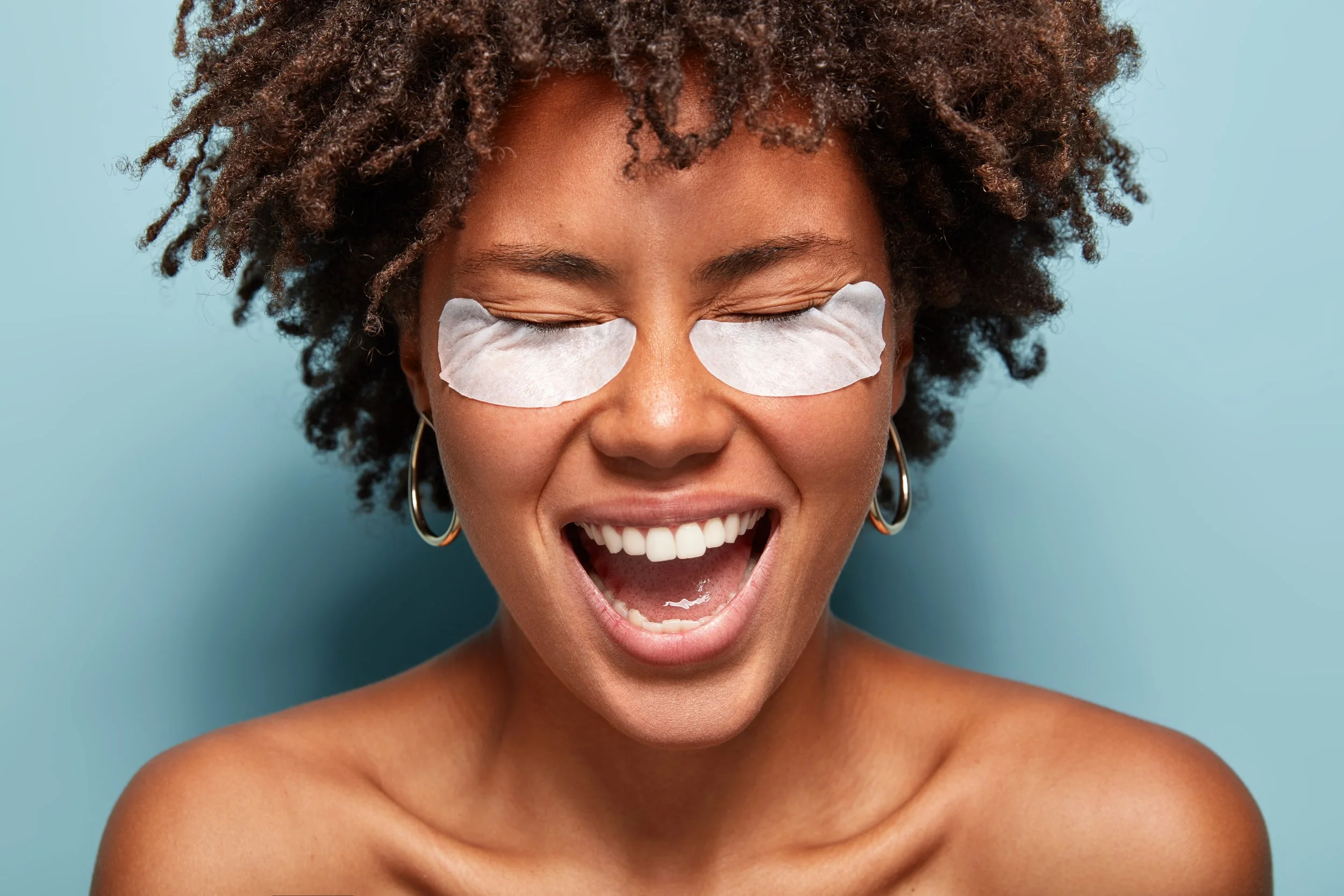
Skin care is a topic that concerns us all, which is why we emphasize the importance of cleansing and the most appropriate facial routines,
they say for those over 30, however my daughter started her skincare routine as soon as she started using makeup at the age of 13, and I totally supported it. We should have skincare routines regardless we use makeup or not.
We also emphasize the most important active ingredients against premature aging, not to mention the most comprehensive skincare for mature skin. We also emphasize, of course, the importance of sun protection and keeping an eye on the expiration date of our creams, which we should always keep in mind. And despite all this, there are still doubts about how to treat our skin, especially because there are many popular myths surrounding everything related to the care of our beloved complexion. And not just about the face, the topic we're dealing with today, but also about the body.
Since knowledge takes up no space, and nothing pleases us more than feeling comfortable in our own skin, we've selected 16 of these rumors (or truths).
Expensive products are better: Not true. While some high-end products contain advanced ingredients, many effective and affordable options exist. The key is to look for products with proven active ingredients like hyaluronic acid, peptides, ceramides, vitamin C, or AHAs, are some examples.
Natural ingredients are always safer: Not always. Some natural ingredients can be irritating or allergenic. Always research ingredients and do a patch test before using new products. Personally, I react very quickly to any cream containing aromatherapy. Although I love its properties in the body and mind, I can’t have it on my face, it is too active for me.
Oily skin doesn't need moisturizer: False. Oily skin also needs hydration. Skipping moisturizer can lead to your skin producing more oil to compensate. The key is to choose moisturizers specifically for oily skin, that is, oil-free and non-comedogenic.
Sunscreen is only needed on sunny days: Not true. UV rays can damage your skin even on cloudy days. Sunscreen should be a daily habit. During the day, it is incorporated in my mineral makeup.
You can shrink pores: False. Pores don't shrink. Skincare can minimize their appearance, but genetics and other factors determine pore size.
Acne is just for teenagers: Since when! Acne can affect people of all ages. Hormonal fluctuations, stress, and other factors can contribute to acne breakouts.
The more products you use, the better: Overloading your skin with too many products can lead to irritation and other issues, so just use what it feels right and keep it simple. Remember your skin changes overtime, so there is time for everything.
You should exfoliate daily: Not needed. Over-exfoliating can damage your skin's barrier, leading to dryness and irritation. Limit exfoliation to once or twice a week.
Products that tingle or burn are working: These sensations often indicate irritation and can be harmful to your skin, so be mindful.
You need separate creams for your eyes and neck: Many face creams are suitable for the eyes and neck, and separate eye creams are often unnecessary, but it is true when we hydrate, we should take care of everything and not just the face. Always avoid putting cream too close to the eyes to avoid irritation.
If I don't wear makeup, I don't have to cleanse my skin. False. Facial skin is almost constantly exposed to the outdoors (and indoors, because dust particles also count) throughout the day, which inevitably causes it to accumulate dirt. This clogs pores and can promote the growth of microorganisms that hinder the normal functioning of skin physiology. Experts insist that washing your face at night (sometimes even 'double washing') is the best beauty treatment, as this ensures that our skin is free of external agents that attack our complexion daily, even if you don't wear makeup.
Cleaning your face in the shower damages your skin. Not true, it’s a great beauty trick, as the steam generated by the water promotes the opening of pores for better exfoliation. Ideally, after a hot shower, exfoliate your skin once or twice a week
Wash your face with cold water. Half-truth. Cold water can be a great help in maintaining firmness and tightening pores, however, it’s best to use lukewarm water, because both hot and very cold water can damage the skin, causing dryness and irritation.
After 25, you should use anti-wrinkle creams. It depends. There's no set age to start using anti-wrinkle cosmetics, because it depends on each person, their genetics, and how they care for their skin. It's true that after the age of 25, collagen production begins to decline. This protein, along with elastin, is one of the proteins responsible for youthful skin, as it is responsible for providing flexibility, elasticity, and firmness. Therefore, in general, we usually say that ages 25-30 are a good time to start anti-aging treatments.
Vitamin C can't be used during the day. False. Some people apply vitamin C at night for fear of the reaction it may cause when their skin is exposed to the sun. What those who do this don't know is that they are avoiding one of the greatest benefits of vitamin C: protecting the skin from the sun and other external aggressors. Not only can we use it during the day, but it's the key time to do so. A routine rich in vitamin C should be applied morning and night, but if you only do it once, it should always be in the morning. This way, in addition to providing all its usual benefits, it will offer antioxidant protection against dreaded free radicals. In addition, it provides a radiance that is best utilized during the day.
Drinking water keeps your skin hydrated. Big truth! Skin is hydrated from the inside out, so it's important to apply a moisturizer at least twice a day and drink more than two liters of water.
The beauty industry loves to complicate skincare with endless rules and expensive trends, but your skin doesn't need a thousand miracles—it just needs consistency, protection, and a little respect. Tonight, when you step up to the sink, can you let go of the marketing hype and simply ask yourself what your unique complexion needs to feel comfortable and cared for?
Wellness to your health,
Virginia