I Can’t Afford To Get Sick!
Finding Balance Between Stress, Immunity, and Self-Care. A Conversational Guide to Building Resilience and Embracing Healthier Habits.
Ever felt like you just can’t afford to get sick? Maybe you’re the “superhero” of your family or workplace—rarely calling in sick, always powering through, and wondering what your boss or colleagues might think if you finally let your guard down. I know the feeling all too well. Even when I feel blessed with generally good health, the thought of illness sends my mind racing: “Am I weak? Will others see me differently?” Sound familiar?
There have been times when I treated my health like a game of blackjack at a casino. If I felt strong and energetic, I’d keep pushing—betting that I could keep winning against fatigue and stress. I’d ignore the warning signs, hoping luck would stay on my side. But life has a way of catching up, doesn’t it? When illness finally hits, it can feel like my world is crumbling, and those old fears of appearing weak resurface. I suspect I’m not alone in this. Have you ever felt guilty for needing a break or worried about how others might perceive your vulnerability?
We often talk about the “body” and “mind” as if they’re separate, but in reality, they’re constantly working together to keep us balanced—physically, emotionally, and mentally. In our busy lives, sustaining high performance over time is challenging, and sometimes, the very drive that keeps us going makes it even harder to slow down. Interestingly, I’ve noticed that the moment I finally stop—say, for a vacation—I tend to get sick. Maybe you’ve experienced the same thing. Why does this happen? Is it just bad luck, or is there more to it?
We don't just have a body, and a separate entity called the mind. It is mind and body, or body and mind, and it is the connection between the two that is continuously balancing our health, our feelings, behavior and emotions.
Everything is about creating awareness, acceptance and taking action. When taking action, we talk about eventually creating habits, and creating habits means to consistently create practices that eventually become naturally you.
I’ve often wondered if the stress hormone cortisol might temporarily boost immunity, and that when production drops (say, during a vacation), our defenses lower, making us more susceptible to illness. This is just my personal theory and not established scientific fact. While some research explores connections between stress hormones and immune response, much remains to be learned. Similarly, while I’ve heard friends swear by certain supplements or health routines, everyone’s body is different. Scientific consensus changes over time, and it’s important to make decisions based on current research and with guidance from healthcare experts.
Here I would like to share with you some practical tips for supporting your immunity and health:
Stress Management: Chronic stress can take a toll on the immune system. Activities like yoga, meditation, and deep (diaphragmatic) breathing help activate the parasympathetic nervous system, which promotes relaxation and recovery. Even simple hobbies or interests outside of work can make a difference.
Nutrition: Aim to eat a wide variety of healthy foods, focusing on non-starchy vegetables. Building meals around nutrient-rich ingredients supports your body’s natural defenses.
Hydration: Drinking plenty of water is one of the simplest ways to support overall health, yet it’s easy to overlook. Make hydration a daily priority.
Supplement Guidance: Some people turn to supplements like Vitamin C or echinacea. Current scientific evidence suggests that, for most people, these supplements may offer only modest benefits in reducing the risk or duration of common illnesses, especially under heavy physical stress. Consistency matters, but results vary, and the latest research is ongoing. Before starting any supplement, it’s always best to consult with your healthcare provider for personalized advice. I always prefer to get this goodness from foods, teas and herbs.
Healthy Relationships and Emotional Health: Regular connection—whether through intimacy, conversations with friends, or simply sharing your feelings—can boost well-being. Some research suggests that positive relationships may have immune benefits, but don’t stress if your situation is different; focus on what helps you feel balanced.
Rest and Sleep: Prioritize quality sleep and allow yourself moments of reflection and recovery, especially when you sense you’ve reached your limit. Recovery is not a sign of weakness, but a crucial part of sustainable performance.
Caffeine and Alternatives: Love coffee? Enjoy it in moderation. I stick to one cup in the morning, but if cravings strike later, I opt for green tea, which some studies suggest may support certain immune cells.
Emotional Release: Don’t bottle up stress or sadness. Talk to someone you trust, allow yourself to cry, and process emotions rather than holding them in. Over time, letting go of resentment and worry can benefit both mind and body.
One Time someone told me: “ If you live with a specific fear, the universe is going to think that it is what you want, and you will get it! so break down those walls and rather than being fearful be wishful. And if you get sick, accept it with the same strength you carry your every day on your busy life! It is not the end of the world, but an opportunity for you to take a moment to reflect and listen to your body and mind, so you can take better care of yourself next time.”
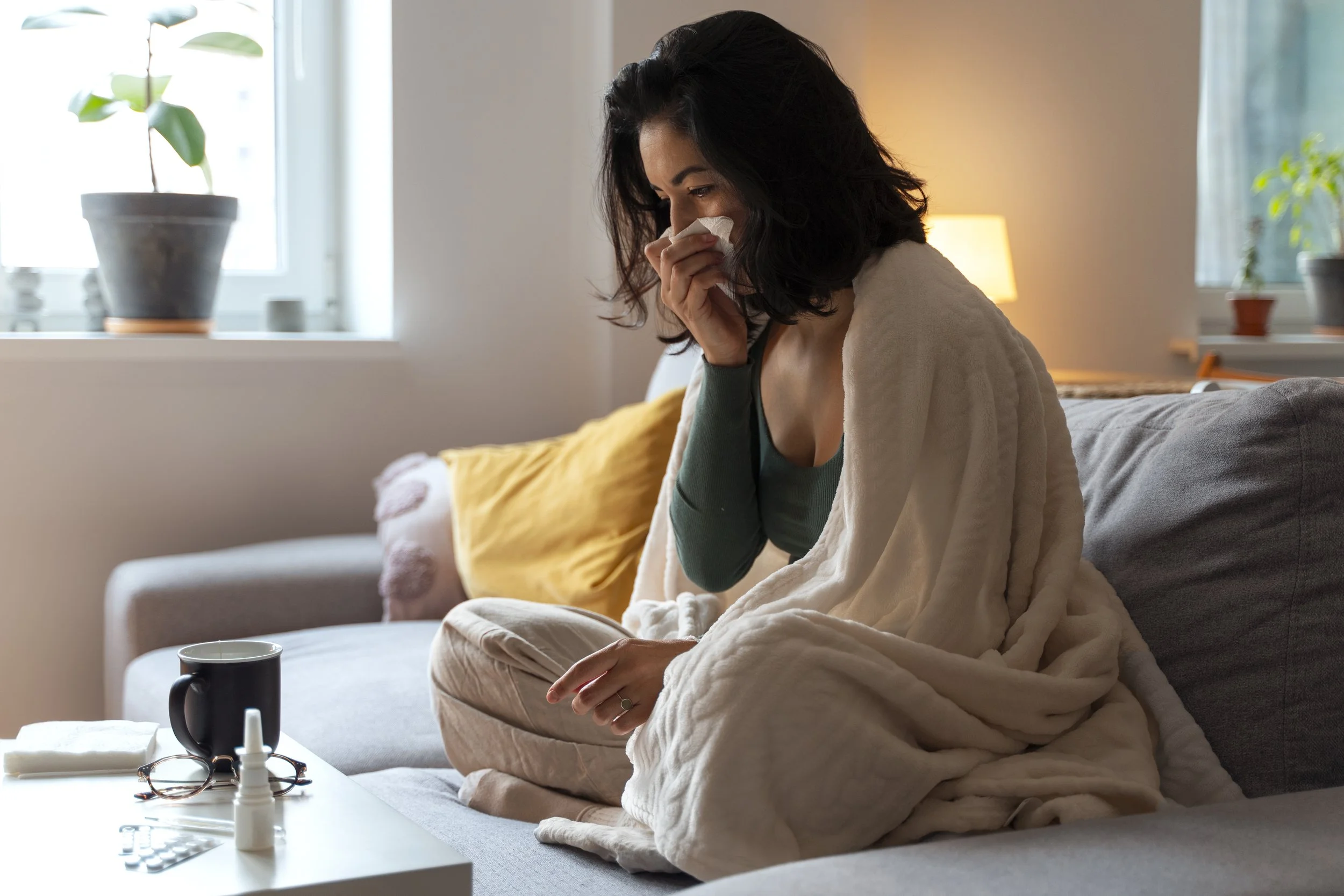
If you do get sick, try not to see it as a failure, but as an opportunity to pause and listen to your body. Reflect on what you might need—rest, support, or simply a change in pace. Ask yourself: Are you giving your body and mind the care they deserve? If not, what’s one thing you can change today? Remember, you’re not alone on this journey. By staying informed, paying attention to your needs, and seeking support when necessary, you can build resilience and embrace a healthier, more sustainable way of living. Self-compassion goes a long way. Rather than fearing illness, focus on proactive, balanced actions and a positive mindset. Sometimes, life surprises us, but that’s ok, if we know how to deal with it.