Healing Superfoods
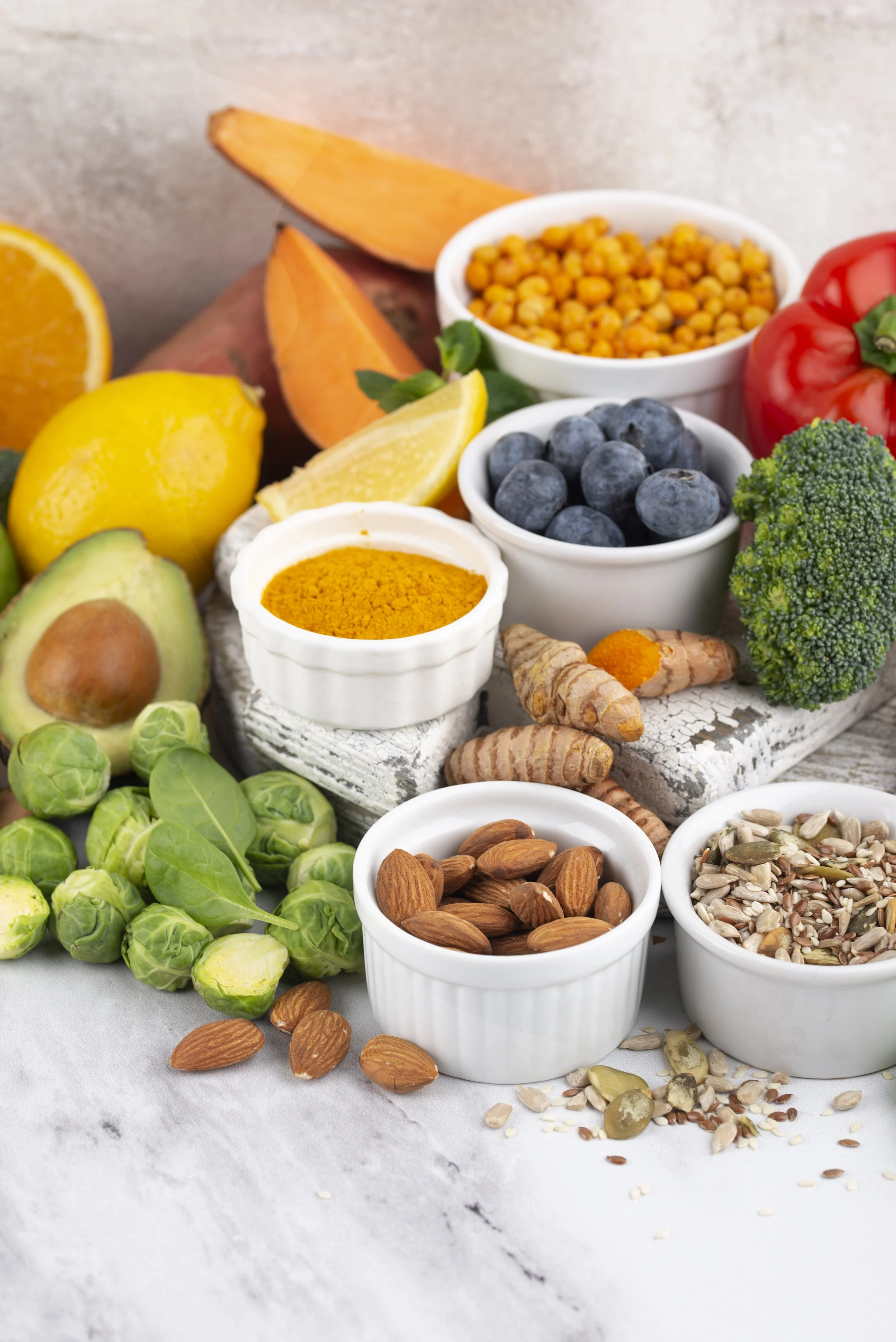
Harnessing Nature’s Power for Better Health
We often talk about how eating the magic plate or the rainbow plate, or incorporating fruits and veggies into your daily diet, is key to living a healthier life.
Both traditional wisdom and modern science recognize that certain foods contain compounds that can help fight disease. Recent research highlights the roles of phytonutrients, antioxidants, flavonoids, polyphenols, essential oils, and trace minerals in reducing inflammation, repairing cells, balancing hormones, and supporting detoxification and immune function. Many of these beneficial compounds are found in everyday foods, making it easier than ever to improve your diet.
So, let’s explore some of my favorite superfoods, all deeply rooted in traditional healing and modern nutrition.
1. Blueberries
These vibrant berries are a sweet treat and, fresh or frozen, are one of the most concentrated sources of antioxidants you’ll find. Toss them in yogurt, blend into smoothies, or eat them by the handful. Targets cognitive aging, oxidative stress and inflammation. Recommended one cup a day.
2. Strawberries
I love their high nutrient density, rich antioxidant content. They are an excellent source of vitamin C, fiber, and beneficial plant compounds called phytochemicals. As blueberries they provide with numerous health benefits. I personally like putting a cup of blueberries and a few strawberries every day in my protein drink.
3. Beets
These earthy root vegetables are blood-builders and circulation enhancers. Rich in nitrates and antioxidants, beets support cardio health, brain oxygenation, and liver detox. I like to steam them and have them ready in the fridge to add them to salads during the week.
4. Avocado
Another delicious superfood, great for your heart, plus they help the body absorb fat-soluble vitamins (A, D, E, K). Their buttery texture makes them easy to eat daily, from avocado toast to a salad add-in to green smoothies. Helps with improving cholesterol, inflammation and skin health. I like to eat avocados twice a week.
5. Garlic
Garlic has been used for centuries to combat infections and more. We now know that garlic’s sulfur compounds can reduce cholesterol, blood pressure, and it may inhibit cancer cell growth. I pretty much use garlic in pretty much all my recipes.
6. Rosemary
This fragrant and sharp herb is also a cognitive superfood. Its volatile oils support memory, mental clarity, and detoxification. My favorite herb when roasting chicken. I also love to use Rosemary in aromatherapy format. Combined with lavender and chamomile is one of my favorite antidotes for a sharp and calm mind.
7. Turmeric
Used in Ayurveda and Traditional Chinese Medicine for centuries to purify the blood and support digestion. It is best absorbed with black pepper (piperine) and healthy fats. Helps with inflammation, arthritis and brain aging. I like to sprinkle it over my scramble eggs on the weekend omelet.
8. Mushrooms
They are nutrient-dense and packed with vitamins, minerals, and antioxidants. They are low in calories, fat, and sodium, and provide benefits like supporting the immune system, promoting heart health, and aiding in weight management. The perfect partner as a side dish for a roasted chicken or grilled fish. I like to have them at once a week.
9. Kale and Broccoli
Both are packed with vitamins A, C, and K, along with essential minerals like calcium, potassium, and magnesium. Broccoli is also a good source of B vitamins. They contain antioxidants like kaempferol and quercetin, which help protect against cell damage and inflammation. Kale also contains carotenoids such as lutein and zeaxanthin that promote eye health. I like to put a cup of kale with my morning protein, already have one serving of greens in an easy format. Broccoli is the perfect companion for any protein dish at dinner time.
10. Quinoa
Quinoa is a seed, but since we cook with it and due to its nutrient profile, it’s classified as a “pseudo grain.” It’s one of the only plant foods that’s a complete protein, making it ideal for plant-based diets. Targets blood sugar regulation and digestion. Is rich in amino acids, magnesium, fiber, B vitamins.
11. Chia seeds
Considered a superfood due to their high concentration of nutrients like fiber, protein, and omega-3 fatty acids, which support digestive health, heart health, and sustained energy. They are also rich in antioxidants, vitamins, and minerals like calcium and magnesium, and may aid in weight management by promoting fullness
12. Walnuts
Walnuts are a tasty salad topper, and they are good for your brain. High in plant-based omega-3s and polyphenols, walnuts fight inflammation and oxidative stress. Buy in small batches, store in the fridge or freezer, and always choose raw and unshelled, when possible, to prevent them from becoming rancid. Targets brain health, cardiovascular protection.
13. Raw Sunflower Seeds
Raw sunflower seeds are one of the most affordable, nutrient-dense foods, rich in vitamin E, selenium, and healthy fats. They are great for trail mixes, salads, or blending into seed butters. Targets inflammation, cholesterol, immunity.
14. Raw Pumpkin Seeds
Pumpkin seeds can be an excellent support for balancing hormones. Rich in zinc and magnesium, they can help balance everything from mood and sleep to reproductive health and immunity. Targets hormonal health, blood pressure, anxiety, prostate health.
15. Healthy Oils
Not all oils are created equal. The healthiest oils are generally those high in monounsaturated and polyunsaturated fats, such as olive oil and avocado oil, which are rich in antioxidants and good for heart health. For high-heat cooking, avocado oil is a better choice due to its higher smoke point (520∘𝐹) , while extra-virgin olive oil is best for low-heat applications like dressings and drizzling. I personally like to cook with Ghee. Ghee is another alternative choice for high-heat cooking (485∘𝐹) and is much higher than butter's (350∘𝐹) for those that love cooking with butter. Butter's lower smoke point makes it suitable for low-heat cooking, baking, and finishing sauces where its creamy flavor is desired.
Don’t become obsessed with eating too much of everything. Limit yourself to eat balanced amounts, because even healing foods have limits. For example, excess of raw cruciferous vegetables (like kale or broccoli) may affect thyroid function in those with iodine deficiency. Individuals on certain medications, such as blood thinners, should consult with a healthcare professional regarding their intake of these vegetables due to their high Vitamin K content, which plays a role in blood clotting. Overuse of turmeric supplements can cause digestive upset or interact with certain medications.
Balance and rotation are key, and listening to your body’s energetic response is just as important as the science.
The best way to start incorporating these foods without overhauling your entire diet is by starting with one healing food a day, consistently. Add blueberries to your morning breakfast, a cup of blueberries or any berries a day is balanced. A spoonful of ground flax to a smoothie, garlic to soups, or sunflower seeds to salads is healthy. Incorporating more vegetables in your diet gradually to avoid stomach issues is best than going crazy incorporating them all at once. Energetically, even a small shift in intention and nourishment can recalibrate your body’s frequency. Over time, this becomes a ritual and not a prescribed diet.
True healing isn't found in extremes, and your body doesn't need a frantic overhaul to find its balance—it just needs a steady, gentle rhythm. Before you plan your next meal, can you let go of the pressure to do everything perfectly, and simply choose one small, intentional ingredient that honors both your physical health and your inner peace?
Wellness to your health,
Virginia