Feeling Bloating And Gassy After Meals
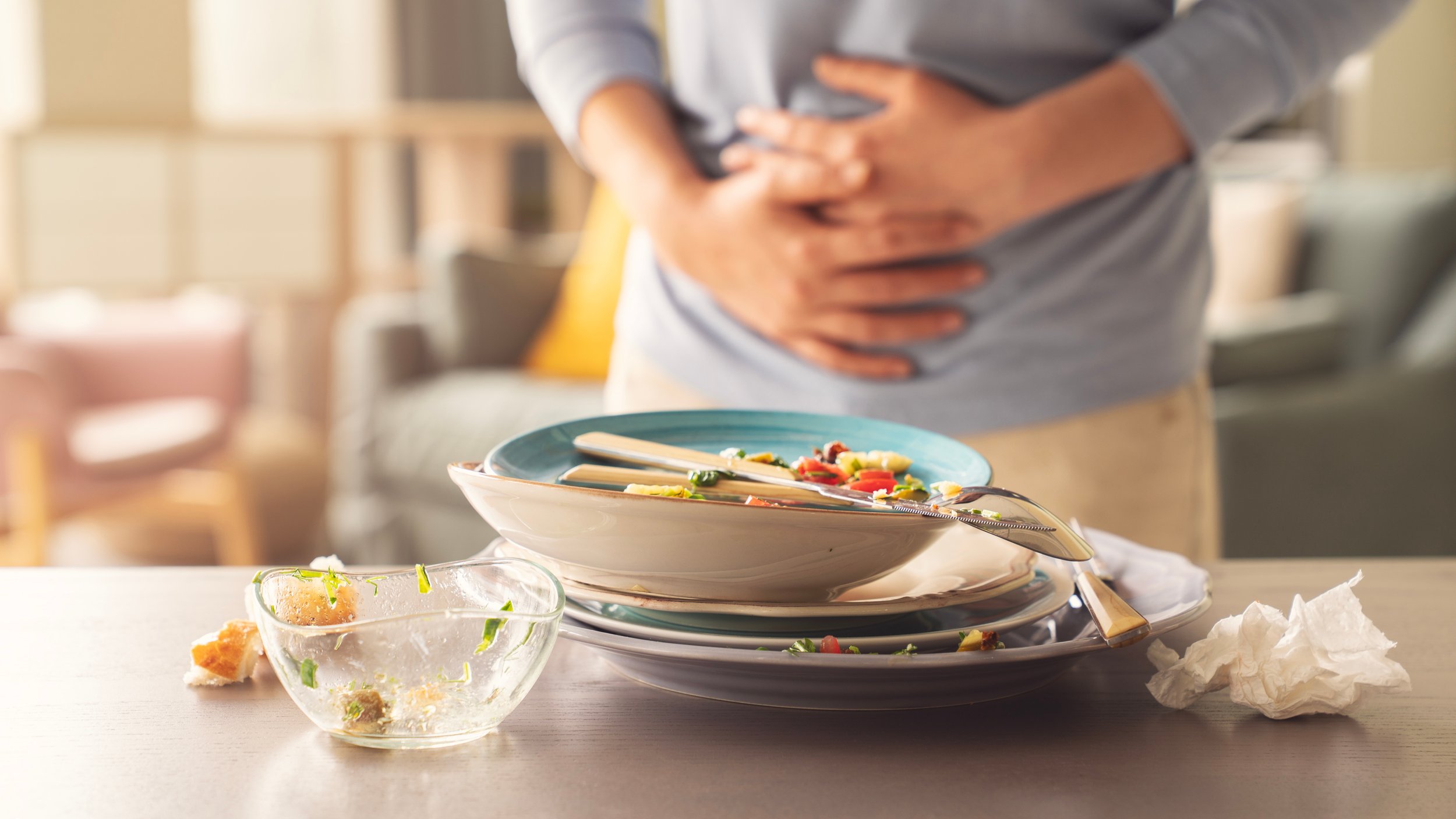
Are you checking all the boxes, like eating slowly, mindfully, only until you are 80% full, eating your magic plates and you are still experiencing digestive upset like gas and bloating after meals?
There could be underlying medical conditions worth to explore with your doctor, like food intolerances, hormonal conditions like PMS, endometriosis or chronic conditions affecting the gut like Crohn’s disease.
I will never forget the time I was experiencing a lot of bloating and pain after meals. Sometimes I would even feel nauseous. After a while I decided going to the doctor and I was tested for H. Pylori, a common type of bacteria that infects the stomach lining and the first part of the small intestine. You would be surprised how many people suffer or have experienced having it. To find out you would need to do blood test, and a stool antigen test, and it can be taken care with two weeks treatment of antibiotics. Back on the day it was believed that ulcers were created by stress, and in chronic conditions this would cause stomach cancer, however it was discovered H Pylori was the main reason of ulcers in the stomach when not treated. That is why when I hear one of my friends telling me about having any of these symptoms consistently, I ask them to ask their doctor for the test, and it is incredible how many of them tested positive for it.
However, if you are healthy, I would suggest you check with your primary care provider and ask if the following supplements options would be good fit for you. If you have a diagnosed condition such as EPI or chronic pancreatitis, or if your symptoms are severe or persistent, consider consulting with a doctor to determine if prescription PERT (pancreatic enzyme replacement therapy) is necessary.
Digestive Enzymes
What are Digestive Enzymes and why are they important? We eat food, but our digestive system doesn’t absorb food, it absorbs nutrients. Food must be broken down from things like kale and chicken into its nutrient pieces: amino acids (from proteins), fatty acids and cholesterol (from fats), and simple sugars (from carbohydrates), as well as vitamins, minerals, and a variety of other plant and animal compounds. Digestive enzymes, primarily produced in the pancreas, small intestine, saliva and stomach, break down our food into nutrients so that our bodies can absorb them. If we don’t have enough digestive enzymes, we can’t break down our food—which means even though we’re eating well, we aren’t absorbing all that good nutrition. Digestive enzyme deficiencies can be caused by: Pancreatic problems, Celiac or Crohn’s disease, inflammation in the digestive tract caused by bacterial overgrowth (dysbiosis), parasites, food allergies or leaky gut, low stomach acid, or chronic stress.
How to take digestive enzymes: Take within 30 minutes of eating. Start with 1 with meals for at least 3 days. If you don’t notice an improvement in digestive symptoms, move up to 2 capsules per meal. When you’ve found a dose that works well for you, you’ll notice that gas or bloating after meals has improved, you don’t feel full right away, and any janky poop goes away.
Choose a digestive enzyme that says on the label “No dairy, sugar, salt, wheat, gluten, soy, milk, egg, shellfish or preservatives”, so you’re not taking allergens along with your enzymes
Hydrochloric Acid with Pepsin
Surprisingly, 90% of Americans have low stomach acid, called hypochlorhydria. Low stomach acid leads to a cascade of digestive problems such as:
Bloating, gas and constipation. With low acid, food sits in the stomach and putrefies instead of being properly digested.
Improper break down of proteins into amino. Lack of amino acids in the bloodstream means less available neurotransmitters which can mean mood disorders like depression. Additionally, protein maldigestion leads to hair loss and brittle nails.
Imbalanced gut flora or Pathogenic and food borne bacteria usually killed by the low stomach pH, can make their way into the intestine (plus, lack of acidity in the stomach makes it more hospitable to bacterial growth).
Nutrient malabsorption o When proteins aren’t fully broken down, B12 absorption is disrupted.
Heartburn/GERD/reflux o Ironically, heartburn is often caused by too LITTLE stomach acid instead of too much.
Leaky gut . Low stomach acid may cause a leaky gut and therefore create food allergies.
Hydrochloric Acid with Pepsin supplements are an important tool in treating low stomach acid. It is only part of the solution in healing low stomach acid naturally and is a temporary step.
Do NOT use HCL supplements if you are: Using medication such as corticosteroids or anti-inflammatory meds like Advil, Tylenol or other NSAIDS or If you have stomach ulcers.
How To Take HCL: Only take HCL with a meal containing protein (you will not need HCL if you are eating an apple for a snack, for example). Take one HCL supplement after a few bites of your breakfast. Continue to eat slowly. If you have no warming sensation in your stomach, repeat the process at lunch and take 2 HCL pills. Again, if there is no warming sensation, take 3 pills with dinner. Repeat until you feel a warming sensation and your dose is the number of pills before you got the warming. For example, if you felt the warming at 6 pills, take 5 pills with each protein meal. As you continue to heal your stomach lining, you will be able to gradually reduce and eventually eliminate need for HCL supplements.
f you’ve been fighting your digestion for months, remember that bloating isn't a design flaw—it's your body waving a flag, trying to tell you something. What if, instead of feeling frustrated with your gut this week, you looked at your symptoms as a call to listen a little closer?
Wellness to your health,
Virginia