Exfoliating Your Skin: An Ancient Secret To A Fresh, Radiant Glow
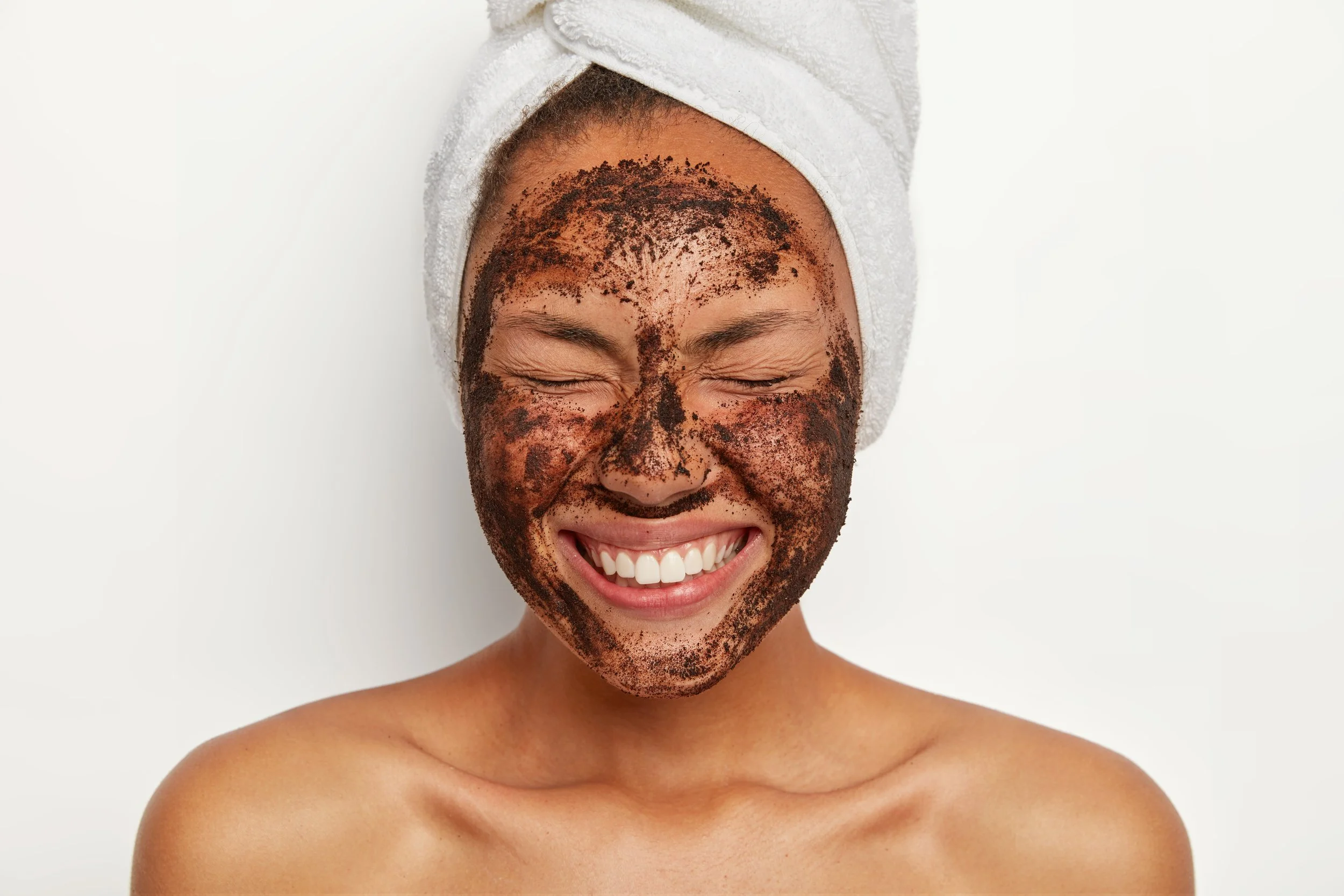
You’ve probably heard the phrase “exfoliate your skin” more times than you can count. And if you’re someone who enjoys taking care of your appearance, exfoliation is one of those simple little habits that can make a big difference.
What’s fascinating is that exfoliation isn’t some modern beauty trend—it actually dates all the way back to ancient Egypt. Thousands of years ago, people mixed animal oils with alabaster powder and sea salt to create a paste they applied to their bodies to remove impurities. Over 6,000 years later (with a few upgrades), exfoliation is still a cornerstone of healthy, glowing skin.
Today, we’re spoiled for choice with exfoliating products. But with so many options, it’s important to understand what works best for yourskin type. Exfoliating isn’t something you can do randomly or aggressively—it requires the right timing, the right technique, and a little know-how. Even something as simple as whether to exfoliate before or after washing your face can make a difference. When done correctly, exfoliation can leave your skin smooth, fresh, and luminous—without irritation or damage.
So, What Exactly Is Exfoliation?
Your skin is constantly renewing itself. The outermost layer, called the epidermis, is made up of five sublayers. New skin cells are created in the deepest layer and slowly rise to the surface, where they eventually shed to make room for newer cells.
While it might sound like a slow process, your skin actually sheds 30,000 to 40,000 dead cells every minute. That’s a lot of turnover! On average, your skin replaces itself about every 28 days.
However, things like sun exposure, hormonal changes, stress, and aging can slow this process down. When that happens, dead skin cells don’t shed as easily. Instead, they build up—leaving your skin feeling rough, looking dull, and sometimes clogging pores. This buildup can contribute to breakouts, uneven texture, and even fine lines.
That’s where exfoliation comes in. By gently removing those lingering dead skin cells, you’re helping your skin do what it naturally wants to do—just a little more efficiently.
How Often Should You Exfoliate?
A good rule of thumb is to exfoliate your face once a week, regardless of your skin type. Yes, even if you have acne, pimples, or oily skin, exfoliation can still be beneficial—as long as you’re using the right product and technique.
The key is balance. Over-exfoliating can irritate your skin, while under-exfoliating can leave it looking tired and congested.
For normal to oily skin, physical exfoliators like grainy scrubs can be effective, while acne, sensitive or dry skin types benefit more from gentle chemical exfoliators using AHAs or BHAs or enzymes. Always start with mild options and adjust frequency based on your skin's response.
The Benefits of Exfoliating Your Face
Regular exfoliation does more than just make your skin feel soft (although that’s a pretty great perk). Here’s what else you can expect:
✨ Better Product Absorption
When dead skin cells are out of the way, your serums, moisturizers, and treatments can penetrate more deeply and work more effectively.
✨ Cleaner Pores
Exfoliation helps clear away dirt, oil, and makeup residue that can lin,ger even after cleansing—reducing blackheads and breakouts.
✨ More Even Skin Tone
By encouraging cell renewal, exfoliation helps fade uneven pigmentation and promotes a brighter, more uniform complexion.
✨ Smoother Texture
If you struggle with rough patches, blemishes or hyperpigmentation, exfoliation can help soften and refine your skin’s texture over time.
The Bottom Line, exfoliation is one of the simplest ways to refresh your skin and keep it looking healthy and youthful. Rooted in ancient beauty rituals and backed by modern skincare science, it’s a small step with powerful results. When done correctly and consistently, exfoliation can truly transform how your skin looks—and how it feels.
Your skin works hard for you every day. A little gentle exfoliation is a great way to return the favor.
Tonight, as you wash away the day, can you slow down your movements and let your skincare routine become a quiet moment of appreciation for a body that protects and carries you through everything?
Wellness to your health,
Virginia