Choosing My Face Moisturizer
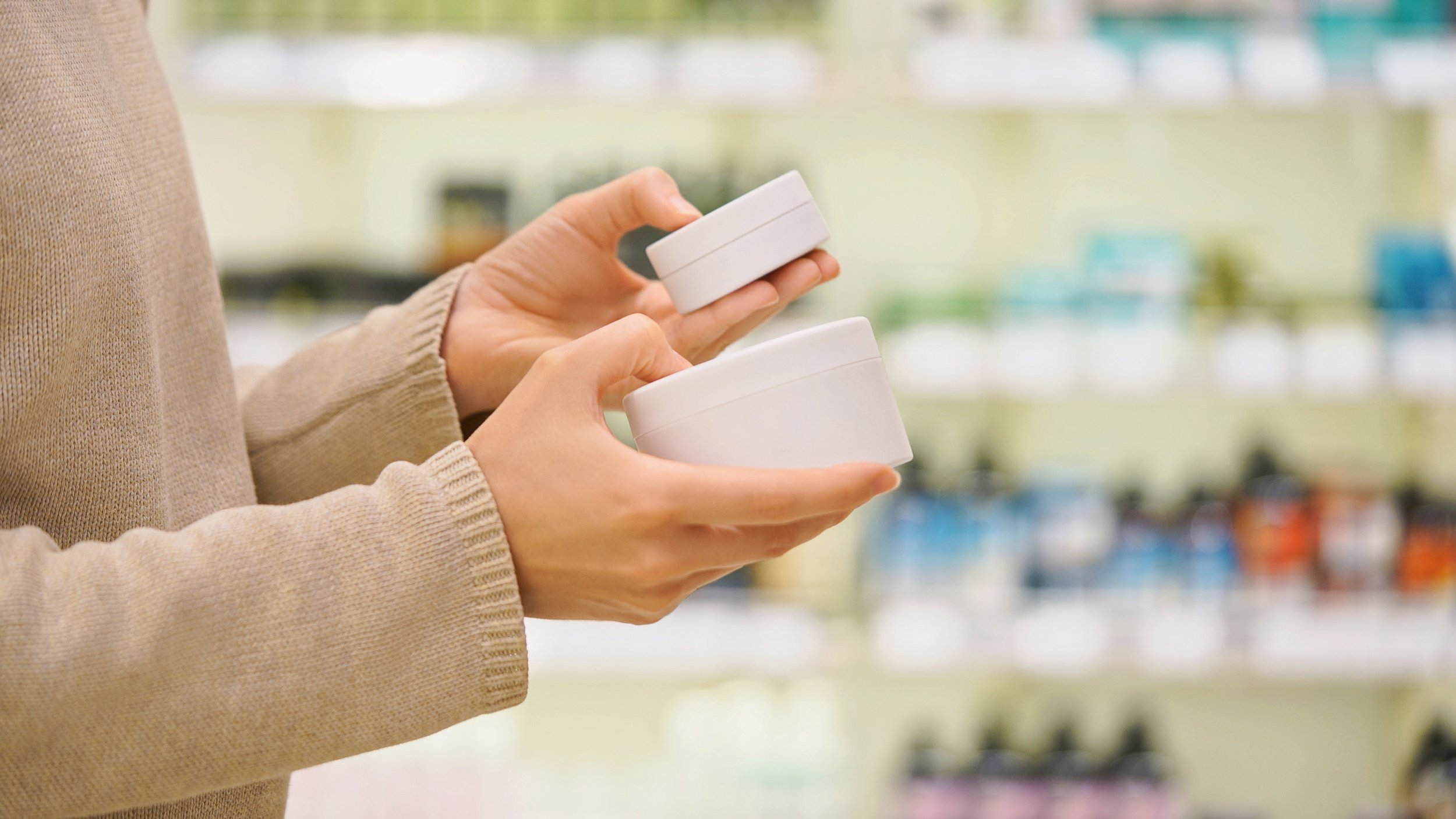
Finding the perfect formula for healthy and radiant skin may seem simple, but with the vast array of options available, it can become a overwhelming
A moisturizer is a cornerstone of any effective skincare routine, providing nourishment, hydration, protection, and support for the skin’s natural barrier. In this article I’m hoping to provide you with a better understanding of your skin’s needs and how to choose the best option without overspending.
The first step is understanding your skin type. Every person’s skin is unique, and it doesn’t always stay the same, skin changes over time due to aging, environmental factors, and lifestyle. Skin types are generally classified into many categories, and some can be:
Normal: Balanced, neither too oily nor too dry.
Dry: Feels tight, rough, or flaky; may look dull.
Oily: Appears shiny, especially in the T-zone (forehead, nose, chin); prone to breakouts.
Combination: Features both dry and oily areas, commonly oily in the T-zone and dry on the cheeks.
Sensitive: Easily irritated, prone to redness, burning, or itching, reactive.
Dehydrated: Lacks water, which can result in a dull complexion, increased visibility of fine lines, and a feeling of tightness or dryness. It's a temporary condition, distinct from dry skin, and any of the above skin conditions can be that plus being dehydrated.
Assessing your skin type can be done through self-observation. Some factors to consider are how your skin feels after cleansing, its appearance throughout the day, and your reaction to new products. I personally like to keep it simple and start with what I call clean and basic moisturizers as a starting point and go from there.
This doesn’t include skin conditions like eczema, rosacea, acne, dermatitis among some off the most common. In these cases, dermatologist recommendation is always best, however when I had any of those conditions, I looked for clean brands that would be water base, no fragrances, no aromatherapy (although aromatherapy is great for many people, it can be reactive if you have sensitive skin or if you are prone to breakout). I would also recommend staying totally away from corticoids steroid creams to cure dermatitis or eczema. This was recommended once to me by my doctor, and although when I used it, I saw immediate results, once I stopped it my skin flared up double! When I saw an actual dermatologist, she took me completely out of it and told me to stay away from it for good. This was hard, because of the retroactive process I had to go through for months! I had to take medication for a while in order to get it sorted and a lot of patience.
A moisturizer’s effectiveness largely depends on its ingredients. Below are some beneficial components commonly found in face moisturizers, each serving a specific purpose:
Humectants: Attract water into the skin and recommended to prevent dehydration. My favorite one is hyaluronic acid, helpful to prevent dehydration in all skin types. Glycerin is mostly more valuable in dry / sensitive skins. Aloe vera, a classic that I particularly love after exposing my skin in the sun. Beta Glucan also delivers hydration that can outperform many forms of hyaluronic acid and supports optimal skin barrier function.
Emollients: Soften and smooth the skin, filling in gaps between skin cells or what we call fine lines and wrinkles. My favorite is Ceramides, which essential lipids that naturally occur in skin, making up about 50% of the skin's outer layer. They act as a crucial component of the skin's barrier, helping to retain moisture and protect against environmental damage.
Peptides: considered amino acids, are a popular skincare ingredient known for their ability to boost collagen production, improve skin texture, and reduce the appearance of wrinkles. Your best friend for antiaging purposes.
Antioxidants: Protect against environmental damage and support skin repair. Vitamin E, green tea extract, and niacinamide would help to improve skin texture, reduce inflammation, minimize pores, and brighten skin tone, are powerful antioxidants. My favorite, Ferulic Acid, has become increasingly popular in skincare for its ability to protect against environmental damage plus enhance the efficacy of other antioxidants, and reduce signs of aging.
SPF (Sun Protection Factor): Provides protection against UV rays. Moisturizers with SPF are ideal for daytime use. I personally only use sun protection when I know I’m going to be outdoors or going to the beach and be directly exposed to the sun. Daily, I like to use a mineral powder makeup that offers sufficient SPF protection against general environmental damage.
Retinoids: I’m not particularly a fan of retinols other than if a dermatologist recommend it for a particular skin condition. Typically used to address a variety of concerns, including acne, signs of aging, and uneven skin tone. They work by increasing cell turnover, promoting collagen production, and reducing inflammation. While effective, retinoids can also cause irritation and overusing them can cause thinning of the skin. A safer bet with retinols if you are a fan and can’t help it, would be choosing Bakuchiol, known as a plant-based retinol alternative. It is an oil harvested from an Indian plant called babshi and is known to provide many of the same benefits as retinol, in a gentler way.
The quality of the ingredients is very important too. To make sure the ingredient is potent enough needs to be in between 0.5% and 5% in some. For this make sure active ingredients like antioxidants, peptides, ceramides, hyaluronic acid, etc. are close to the top of the ingredients listing. The technology system the cream uses is important too, so you can make sure the active ingredients penetrate deeply into the layers of your skin. Best known carriers include liposomes, nanotechnology and time release microencapsulation. There are also chemical enhancers like ethanol and propylene glycol, but these are not recommended because they can disrupt your skin lipid barrier.
It’s also important to watch out for potentially irritating ingredients, such as fragrances, alcohols, and certain preservatives, like parabens, formaldehyde-releasing preservatives, certain isothiazolinones (like Methylisothiazolinone or MIT), and triclosan especially if you have sensitive skin.
If you particularly have combination, oily or acne skin, look for products labeled “non-comedogenic”, as these are formulated to avoid clogging pores. “Hypoallergenic” may be helpful for sensitive skin, though the term is not strictly regulated. Always check the ingredient list rather than relying solely on marketing and keep it simple.
Face moisturizers come in several forms, each tailored to different needs and preferences:
Lotions: Lightweight, with high water content; suitable for normal to oily skin and daytime use.
Creams: Thicker and richer, ideal for dry or mature skin and nighttime application.
Gels: Water-based, fast-absorbing, and non-greasy; perfect for oily and acne-prone skin.
Ointments: Heavy, occlusive, and moisturizing; primarily recommended for very dry or compromised skin.
Choose the formulation that aligns with your skin’s needs, the season, and your personal comfort and lifestyle. It is great we can choose different formats in moisturizers, from lotions, to creams and gels, balms and ointments.
When applying a moisturizer make sure you first clean your face with a cleanser before applying it, remember always apply on clean and dry skin. Never go to bed with makeup on! And cleanse your face not only at night when you remove your makeup, but also in the morning. Don’t forget application on the neck and be gentle with the movements. Specially avoid applying any cream too close to the eyes to avoid puffiness and irritations.
While higher price points can sometimes indicate quality ingredients or luxurious textures, many affordable moisturizers deliver exceptional results. Don’t be swayed by branding alone; focus on the formula and how it fits your needs. If you’re unsure, consult reviews from trusted sources or seek recommendations from skin care professionals.
If you experience persistent skin issues—such as severe dryness, irritation, redness, or acne—despite regular moisturizing, consult a dermatologist. They can help you identify underlying causes and recommend products tailored to your skin’s requirements. I personally had several experiences with my skin, and I understand that finding a good dermatologist is not always easy, especially when we believe that the skin reflects what we are in the inside. In most of the cases your skin can be affected by stress, environmental changes, diet and unhealthy habits. Start by taking care of what you eat, how you eat and learn to manage your stress levels, and staying hydrated.
The skincare industry wants us to believe that the secret to glowing skin is always hiding at the bottom of a new, expensive jar. But the next time you feel overwhelmed by the product aisles, remember that your skin is simply a mirror of what's happening on the inside—are you treating the reflection, or are you only nourishing the source? How do you find this balance?
Wellness to your health,
Virginia